
Alstom shares suffered another dramatic sell-off after the French railway manufacturer slashed its financial outlook for a second time in 2026. Behind the market reaction are mounting project delays in Germany, collapsing margins and a projected €1.5 billion cash outflow that has renewed concerns about the company’s balance sheet.
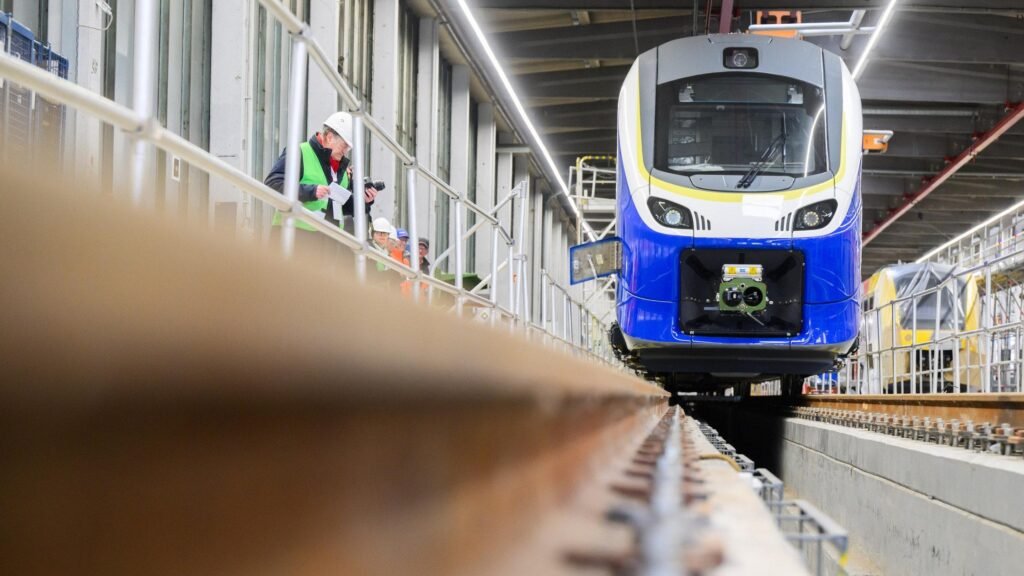
Alstom (EPA: ALO) is facing one of the most difficult periods in its recent financial history.
Shares plunged approximately 25% to 30% in early trading on November 2, after the company announced a substantial downgrade to its full-year financial expectations. The announcement came less than seven months after another major warning on cash flow and profitability.
The latest setback has changed the investment debate surrounding the French railway group. Investors are no longer focusing exclusively on its large order backlog and long-term railway opportunities. They are increasingly questioning whether Alstom can deliver its existing contracts profitably and convert its reported business activity into actual cash.
The Numbers Behind Alstom’s Latest Collapse
The scale of the downgrade explains the severity of the market reaction.
In its preliminary first-half results for fiscal year 2026/27, Alstom reported:
- €9.3 billion in sales, up 3% year over year.
- €11 billion in orders received, compared with €10.5 billion a year earlier.
- An adjusted EBIT margin of approximately -4%, against a positive 6.4% in the previous year’s first half.
- €1.248 billion in negative free cash flow during the first half.
- €1.1 billion in net debt as of September 30, 2026.
The most significant development was the company’s revised full-year outlook.
Alstom now expects an adjusted EBIT margin of approximately 1% for fiscal 2026/27, compared with its previous forecast of around 6.5%.
Even more concerning, the company expects full-year free cash flow to reach approximately negative €1.5 billion, reversing its previous expectation of positive free cash flow.
These figures indicate that the problem is not simply slower revenue growth. The company’s ability to execute projects efficiently and generate cash has deteriorated significantly.
Germany’s Coradia Max Programme: The Main Source of Trouble
A major part of the problem is linked to Alstom’s Coradia Max regional train programme in Germany.
The company identified industrialisation difficulties, technical issues and extended certification procedures that have delayed the programme.
The consequences are significant.
Certification delays have pushed back deliveries and postponed the entry into commercial service of trains that were expected to contribute to production and revenue growth.
Alstom also acknowledged that additional technical work and testing requirements had emerged, increasing costs and creating further pressure on project profitability.
The problems are not limited to one contract. The company’s review identified difficulties across several projects executed for and from Germany.
This matters because railway manufacturing contracts are complex, long-term commitments. When production schedules slip, the manufacturer may face additional engineering costs, penalties, higher working-capital requirements and delayed customer payments.
A project that initially appears commercially attractive can become financially damaging if its execution costs exceed the original assumptions.
Why Cash Flow Is More Important Than the Order Backlog
One of the most interesting aspects of Alstom’s situation is the contrast between demand and financial performance.
The company received €11 billion in orders during the first half of 2026/27. Its book-to-bill ratio remained above 1, indicating that new orders exceeded revenue generated during the period.
However, strong demand does not automatically translate into strong profitability.
Alstom’s order backlog can support future revenue visibility, but investors must also consider the cost of fulfilling those contracts.
The company’s negative free cash flow highlights the difference between accounting revenue and cash actually generated by operations.
Cash flow is particularly important for industrial businesses because they must finance production, suppliers, engineering work and project delivery before receiving all the associated customer payments.
When projects are delayed, milestone payments can move into future financial periods, while operating expenses and production costs continue.
This creates additional pressure on liquidity and borrowing requirements.
A €2 Billion Debt-Reduction Plan Raises Another Question
In response to the deterioration in its financial outlook, Alstom announced a plan aimed at reducing debt by approximately €2 billion by September 2027.
The company said it would review organic and inorganic options to achieve this objective.
This could involve operational improvements, asset-related measures or other balance-sheet actions.
The announcement demonstrates management’s focus on protecting the company’s financial flexibility and maintaining its investment-grade credit rating.
However, investors will want more details about how the reduction will be achieved.
Asset disposals could generate cash, but they may also reduce the group’s future earnings potential depending on which businesses are involved.
The timing and financial impact of these measures will therefore be important.
Alstom also reported €1.65 billion in cash and cash equivalents at the end of September, alongside available revolving credit facilities.
This provides some liquidity protection, although the projected cash outflow makes financial discipline increasingly important.
Is Alstom Facing a Structural Problem?
The current difficulties raise questions about the company’s project management and industrial execution.
Railway manufacturing involves complicated engineering processes, regulatory approvals and coordination between suppliers, factories and customers.
Delays in one stage can affect the entire delivery schedule.
For Alstom, the latest warning suggests that certain operational problems were more serious than previously anticipated.
The company has announced measures to improve manufacturing efficiency, accelerate problem resolution, strengthen project accountability and improve cost control.
Management expects performance to normalise from fiscal year 2027/28, with a medium-term ambition of reaching an adjusted EBIT margin between 8% and 10%.
However, achieving this objective will depend on successful project execution and a significant improvement in cash generation.
Investors will need to see measurable progress rather than relying solely on management’s future targets.
What Investors Should Watch Next
Several developments could determine Alstom’s financial recovery:
1. Coradia Max certification
The progress of the German regional train programme will be a critical indicator. Any additional delays could create further pressure on margins and cash flow.
2. Free cash flow recovery
The company’s ability to reduce cash consumption and return to positive free cash flow will be central to rebuilding investor confidence.
3. Debt-reduction execution
Investors will look for concrete details regarding the €2 billion deleveraging objective and its impact on the company’s balance sheet.
4. Production targets
Alstom reduced its expected annual production to approximately 4,000 rail cars, compared with its previous forecast of 4,400 to 4,500. Achieving this revised target will be important.
5. The November 17 financial results
The company’s scheduled half-year results on November 17, 2026, should provide additional information about the financial situation and management’s operational response.
The Bottom Line: Strong Demand, Weak Execution
Alstom’s latest stock market collapse highlights a fundamental problem: having a large order backlog is not enough to guarantee financial success.
The company continues to operate in a railway market supported by long-term infrastructure investment and demand for public transportation. Its first-half order intake also demonstrates that commercial opportunities remain available.
But the immediate financial picture is much more complicated.
A negative adjusted EBIT margin, substantial cash consumption, delayed German projects and a major reduction in annual guidance have created serious questions about execution and financial discipline.
For investors, the central issue is whether Alstom can transform its large backlog into profitable deliveries without putting additional pressure on its balance sheet.
Until the company demonstrates a sustained improvement in cash flow and project execution, uncertainty around its financial recovery is likely to remain an important factor in the stock’s valuation.
TickerRoast Analysis: Alstom’s problem is not a lack of demand for trains. It is the growing gap between contracts secured and the cash and profits generated from delivering them. The November 17 results could provide an important opportunity to assess whether the company’s recovery plan is gaining traction.
Sources
- Reuters, November 2, 2026 – Alstom plunges as it slashes outlook for the second time in 2026.
- Alstom, November 2, 2026 – Preliminary first-half 2026/27 results and revised financial guidance.
- Euronext, November 2, 2026 – Alstom market update.
Disclaimer: This article is provided for informational and educational purposes only. It does not constitute financial, investment, trading, or legal advice. The analysis reflects publicly available information at the time of publication and may contain errors or omissions. TickerRoast does not recommend buying, selling, or holding Alstom shares. Investors should conduct their own research and consult a qualified financial professional before making investment decisions. Investing in stocks involves risks, including the possible loss of principal.
Anonymous reader poll, just for fun. Not investment advice.
Read next

Get the daily market briefing
The stories that move markets, in your inbox every trading day at 9 a.m. ET. Free, unsubscribe anytime.